
Pest control has come a long way from relying solely on traps and chemical sprays. Today, homeowners and property managers have access to more effective, targeted, and environmentally conscious methods for preventing and eliminating pest problems. As living spaces continue to evolve with modern construction, changing climates, and increasing urban development, pests have also adapted, making it essential to adopt smarter and more comprehensive strategies for keeping them under control.
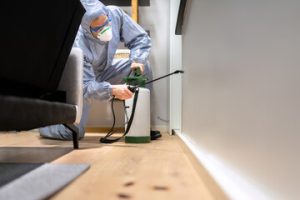
Modern pest control is no longer just about responding to an infestation after it happens. Instead, it focuses on prevention, early detection, long-term management, and minimizing the conditions that allow pests to thrive in the first place. This proactive approach not only reduces the need for repeated treatments but also helps protect homes, businesses, and outdoor spaces from costly damage and potential health concerns. Uncover more at https://www.benspest.biz/.
Understanding today’s pest control methods allows property owners to make informed decisions that provide lasting results. By combining practical habits with professional expertise when necessary, anyone can create a healthier, cleaner, and more pest-resistant environment.
Prevention Is the Foundation of Modern Pest Control
One of the biggest shifts in pest management is the emphasis on prevention rather than reaction. Instead of waiting until pests become a serious problem, modern pest control encourages identifying vulnerabilities before infestations develop.
Prevention begins with understanding why pests enter a property. Most unwanted insects and rodents are simply searching for three necessities: food, water, and shelter. If these resources are readily available, pests are far more likely to settle in and reproduce.
Simple improvements such as sealing gaps around doors and windows, repairing leaking pipes, keeping food properly stored, and reducing excess moisture can significantly reduce the chances of attracting pests. These preventive measures create an environment that is less inviting, making infestations less likely to occur.
Rather than relying on repeated treatments, prevention addresses the root causes of pest activity, making it one of the most effective long-term strategies available.
Early Detection Makes a Significant Difference
Modern pest control recognizes that catching a problem early is often the key to avoiding major infestations. Small pest populations are generally much easier to manage than colonies that have had weeks or months to expand unnoticed.
Routine inspections around the home can reveal warning signs before they become severe. Property owners should pay attention to areas that are often overlooked, including attics, crawl spaces, storage rooms, utility areas, garages, and basements.
Some common warning signs include:
- Droppings or unusual stains.
- Small holes in walls or food packaging.
- Damaged wood or insulation.
- Strange scratching sounds inside walls or ceilings.
- Dead insects appearing regularly around windows or doors.
Identifying these signs early allows homeowners to take action before pests spread throughout the property.
Integrated Pest Management Offers a Balanced Solution
One of the most effective modern approaches to pest control is Integrated Pest Management, often referred to as IPM. This strategy combines multiple control methods instead of relying on a single treatment solution.
Rather than automatically applying pesticides, Integrated Pest Management begins with careful inspection and monitoring. Professionals evaluate the type of pest, the severity of the infestation, and the environmental conditions contributing to the problem.
Treatment plans may include improving sanitation, sealing entry points, removing food sources, adjusting landscaping, using physical barriers, and applying targeted treatments only when necessary.
This balanced approach reduces unnecessary chemical use while providing long-term pest management that addresses both immediate concerns and future prevention.
Smart Home Technology Is Changing Pest Prevention
Technology is becoming an increasingly valuable tool in modern pest control. Smart home devices now help homeowners detect conditions that may contribute to pest infestations before visible problems appear.
Moisture sensors can identify hidden leaks that attract insects. Smart cameras allow property owners to monitor garages, basements, attics, and outdoor areas remotely. Temperature and humidity monitors help maintain indoor conditions that discourage many common pests from thriving.
Some advanced monitoring systems even alert property owners when unusual activity is detected, allowing faster responses before infestations become established.
Although technology cannot replace professional inspections, it serves as an additional layer of protection that supports preventive pest management.
Sanitation Plays a Larger Role Than Many People Realize
Modern pest control places significant emphasis on cleanliness because sanitation directly affects pest activity.
Food crumbs, overflowing garbage, standing water, and clutter create ideal environments for insects and rodents. Even small amounts of accessible food can support growing pest populations over time.
Maintaining consistent cleaning routines helps remove the resources pests depend on for survival. Kitchens, dining areas, storage spaces, and outdoor waste collection areas deserve particular attention since they often become the primary feeding grounds for unwanted visitors.
Good sanitation alone may not eliminate an existing infestation, but it dramatically improves the effectiveness of any pest control program.
Sealing Entry Points Provides Long-Term Protection
Pests are remarkably skilled at finding even the smallest openings into a structure. Tiny cracks around foundations, utility lines, windows, roofing materials, vents, and doors often become access points.
Modern pest control focuses heavily on exclusion, which means physically preventing pests from entering the property in the first place.
Some effective exclusion methods include:
- Sealing cracks and gaps with durable materials.
- Installing door sweeps and weather stripping.
- Repairing damaged screens.
- Covering vents with protective mesh.
- Closing openings around plumbing and electrical penetrations.
When entry points are eliminated, many pest problems disappear before they ever begin.
Landscaping Can Influence Pest Activity
Outdoor maintenance has become an important component of modern pest management. Many infestations actually begin outside before pests move indoors in search of food or shelter.
Overgrown shrubs, dense vegetation against walls, standing water, piles of leaves, and stored firewood close to the home all provide excellent hiding places for pests.
Maintaining proper landscaping reduces these opportunities by improving airflow, eliminating moisture buildup, and removing potential nesting sites.
Regular trimming of plants, proper drainage, and keeping vegetation away from exterior walls create natural barriers that discourage pest activity.
Targeted Treatments Replace Broad Applications
Another major advancement in pest control is the shift toward highly targeted treatments.
Instead of applying products across large areas, professionals now focus treatments specifically where pests live, breed, and travel. This approach increases effectiveness while minimizing unnecessary exposure.
Careful inspections allow technicians to identify nesting sites, entry routes, and activity zones, making treatments far more precise than generalized applications.
This method not only produces better results but also reduces waste and supports a more responsible approach to pest management.
Education Helps Prevent Future Infestations
Modern pest control is no longer viewed as a one-time service. Education has become an important part of long-term prevention.
Property owners who understand pest behavior are better equipped to recognize warning signs and eliminate conditions that encourage infestations.
Professional inspections often include recommendations on improving sanitation, repairing structural vulnerabilities, managing moisture, and maintaining outdoor spaces.
These practical improvements empower homeowners to play an active role in preventing recurring pest problems between scheduled inspections or treatments.
Regular Professional Inspections Add Extra Protection
Even well-maintained properties can develop hidden pest problems. Some insects and rodents remain out of sight for long periods, making early detection difficult without professional experience.
Routine inspections help uncover developing infestations before they cause significant structural damage or become expensive to eliminate.
Professional pest control specialists use specialized equipment, industry knowledge, and systematic inspection techniques that allow them to identify risks many homeowners might overlook.
Scheduling periodic inspections provides peace of mind while helping maintain a pest-free environment throughout the year.
Environmentally Responsible Pest Control Is Becoming More Common
As awareness of environmental responsibility grows, many pest control strategies now prioritize methods that reduce unnecessary impact while maintaining effective results.
Modern pest management encourages careful product selection, precise application techniques, habitat modification, and preventive maintenance before stronger treatments become necessary.
This approach benefits both property owners and the surrounding environment by emphasizing long-term prevention instead of repeated large-scale applications.
Responsible pest management demonstrates that effective control and environmental awareness can work together successfully.
Consistency Delivers Better Long-Term Results
One of the biggest misconceptions about pest control is that a single treatment permanently solves every problem. In reality, pest management is an ongoing process that requires regular attention.
Consistent cleaning, seasonal inspections, moisture management, structural maintenance, and monitoring all contribute to keeping pest populations under control.
Rather than reacting only when pests become visible, successful property owners develop maintenance routines that reduce opportunities for infestations throughout the year.
Small preventive actions performed consistently often produce far greater results than occasional large-scale treatments after serious infestations develop.
When Professional Pest Control Is the Right Choice
Although preventive maintenance can greatly reduce pest activity, there are situations where professional assistance becomes necessary. Large infestations, recurring pest problems, hidden colonies, or structural damage often require specialized knowledge and equipment that go beyond typical household solutions.
Professional pest control services provide comprehensive inspections, accurate pest identification, customized treatment plans, and long-term prevention strategies designed for the specific conditions of each property. Rather than focusing only on visible pests, experienced technicians address breeding areas, nesting sites, and entry points that may otherwise go unnoticed.
Seeking professional help early can prevent a minor issue from escalating into a more extensive and costly infestation. It also ensures that treatments are applied safely and effectively while reducing the likelihood of future pest activity.
Everyday Habits That Support Modern Pest Control
The most successful pest control strategies combine professional expertise with simple daily habits that make a property less attractive to unwanted visitors. While no home is completely immune to pests, consistent maintenance significantly lowers the risk of infestations.
Some of the most effective everyday practices include:
- Keeping food sealed in airtight containers.
- Cleaning spills and crumbs promptly.
- Fixing plumbing leaks and eliminating standing water.
- Reducing clutter that creates hiding places.
- Inspecting the home’s exterior regularly for cracks or openings.
- Maintaining clean outdoor spaces and trimming vegetation near the building.
These habits require relatively little effort but can make a meaningful difference in preventing pests from establishing themselves.
Modern approaches to effective pest control focus on much more than simply eliminating pests after they appear. Today’s strategies emphasize prevention, early detection, education, routine maintenance, and targeted solutions that provide lasting protection. By understanding why pests enter a property and addressing the conditions that attract them, homeowners can significantly reduce the likelihood of recurring infestations while creating a cleaner and healthier living environment.
Combining everyday preventive habits with periodic professional inspections offers the most reliable defense against unwanted pests. Rather than relying on temporary fixes, a comprehensive approach helps safeguard property, protect indoor spaces, and minimize costly damage over time. As pest control continues to evolve, adopting these modern practices can provide long-term peace of mind and ensure that homes remain comfortable, safe, and resilient throughout every season.
