Maintaining a comfortable and pest-free home requires more than occasional cleaning or quick fixes when insects or rodents appear. Residential pest control is most effective when it focuses on long-term protection rather than temporary relief. Pests are constantly searching for food, shelter, and moisture, and even well-maintained homes can become attractive targets if preventive measures are not in place. By understanding how pests enter living spaces and adopting proactive solutions, homeowners can create a safer environment while minimizing the risk of recurring infestations.
Long-term pest protection begins with awareness. Many infestations develop slowly, often starting in hidden areas such as basements, attics, storage spaces, or behind appliances. Because these spaces are rarely inspected, pests may establish nesting areas long before visible signs appear. A comprehensive residential Pest Control Texas strategy addresses both immediate concerns and underlying conditions that encourage pest activity. This balanced approach helps homeowners maintain peace of mind while protecting the structural integrity of their property.
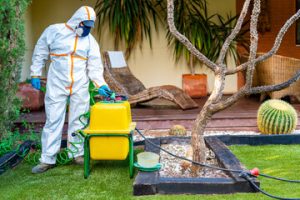
Understanding the Importance of Long-Term Pest Control
Short-term pest control solutions may provide temporary relief, but they rarely address the root causes of infestations. Long-term protection focuses on prevention, monitoring, and consistent maintenance. Instead of reacting to pest sightings, homeowners take proactive steps to reduce attractants and strengthen structural defenses. This approach minimizes disruptions while supporting healthier indoor living conditions.
One of the biggest benefits of long-term pest control is cost efficiency. Repeated infestations often lead to expensive repairs, especially when pests damage insulation, wiring, or stored belongings. Preventive strategies help reduce these risks by addressing vulnerabilities early. Over time, maintaining a pest-resistant environment becomes more manageable and less stressful than dealing with recurring problems.
Long-term pest control also supports overall home comfort. Unpleasant odors, unexpected noises, and concerns about contamination can disrupt daily routines. By focusing on prevention and consistent care, homeowners create a living space that feels clean, secure, and welcoming throughout the year.
Identifying Common Entry Points Around the Home
One of the first steps toward effective residential pest control is understanding how pests enter indoor spaces. Small cracks in walls, gaps around windows, or poorly sealed doors may seem minor, but can provide easy access for insects and rodents. Exterior inspections help identify these vulnerabilities before they lead to larger infestations.
Structural maintenance plays a key role in long-term protection. Repairing damaged screens, sealing foundation gaps, and installing proper weather stripping can significantly reduce pest access. These improvements not only deter pests but also enhance energy efficiency and overall home maintenance.
Homeowners should pay close attention to areas where utilities enter the house, as these openings often create hidden pathways for pests. Regularly checking these zones ensures that potential entry points are addressed before pests take advantage of them. A strong physical barrier is one of the most reliable ways to prevent infestations from starting in the first place.
The Role of Sanitation in Residential Pest Control
Cleanliness is one of the most effective tools for long-term pest prevention. Pests are naturally drawn to easily accessible food sources, which makes kitchens, dining areas, and storage spaces particularly vulnerable. Even small crumbs or spills can attract unwanted visitors if they are not cleaned promptly.
Maintaining consistent sanitation habits helps eliminate conditions that pests depend on for survival. Key practices may include:
- Storing food in sealed containers and wiping down surfaces regularly
- Managing waste effectively by removing trash frequently and keeping bins clean
Deep cleaning routines should extend beyond visible surfaces. Under appliances, behind furniture, and inside cabinets are common areas where debris accumulates unnoticed. By incorporating these spaces into regular cleaning schedules, homeowners reduce hiding spots and feeding opportunities for pests.
Sanitation is not only about cleanliness but also about organization. Reducing clutter in storage areas limits the number of places where pests can nest or hide, making it easier to maintain a pest-resistant environment.
Moisture Control and Its Impact on Pest Prevention
Water sources play a significant role in attracting pests to residential spaces. Leaking pipes, damp basements, or poor ventilation create ideal conditions for many species. Managing moisture levels is therefore an essential component of long-term pest control.
Routine inspections of plumbing systems help identify leaks before they lead to larger problems. Ensuring that ventilation systems function properly reduces humidity levels, which discourages pests that thrive in damp environments. Outdoor drainage is equally important, as standing water near the foundation can attract pests and increase the likelihood of indoor infestations.
Homeowners can improve moisture control by maintaining gutters, directing water away from the property, and monitoring areas prone to condensation. These preventive steps not only reduce pest activity but also protect building materials from long-term damage caused by excess moisture.
Landscaping and Exterior Maintenance Strategies
Residential pest control extends beyond indoor spaces. Outdoor conditions often determine whether pests move closer to a home. Overgrown vegetation, cluttered yards, and poorly maintained storage areas can provide shelter and breeding grounds that increase infestation risks.
Regular landscaping maintenance is a simple yet effective way to support long-term pest prevention. Trimming plants away from walls, removing debris, and storing firewood or equipment away from the house reduces hiding spots. Keeping outdoor areas clean also helps limit pathways that pests use to access entry points.
Exterior lighting can influence pest behavior as well. Bright lights near doorways may attract insects, which in turn attract predators or scavengers. Adjusting lighting placement and minimizing unnecessary illumination can help reduce this effect. By creating a well-maintained outdoor environment, homeowners strengthen their overall pest control strategy.
Routine Inspections and Early Detection
Monitoring for early signs of pest activity is one of the most important aspects of long-term protection. Small changes such as unusual sounds, minor damage, or unexplained odors may indicate the presence of pests before infestations become severe. Regular inspections allow homeowners to address these issues quickly and prevent further spread.
Inspection routines should include checking attics, basements, storage rooms, and exterior areas where pests are most likely to hide. Documenting changes over time helps identify patterns and determine whether preventive measures are working effectively.
Early detection reduces the need for extensive treatments and helps maintain a stable indoor environment. By staying attentive to subtle warning signs, homeowners can respond proactively rather than waiting until pests become highly visible.
Professional Residential Pest Control Services
While many preventive tasks can be handled independently, professional pest control services offer valuable support for long-term protection. Experts have the training and tools needed to identify hidden infestations, evaluate structural vulnerabilities, and recommend targeted solutions. Professional assessments often uncover issues that may be overlooked during routine maintenance.
Professional services may include monitoring programs, preventive treatments, and guidance on maintaining pest-resistant environments. Working with experienced professionals allows homeowners to develop customized strategies that address the specific needs of their property.
Collaboration between homeowners and professionals creates a stronger foundation for long-term success. By combining expert knowledge with everyday preventive habits, residential pest control becomes more effective and sustainable over time.
Building Long-Term Habits for a Pest-Free Home
Consistency is the foundation of successful residential pest control. Developing simple daily habits helps reduce risks and maintain a cleaner, safer environment. These habits may include cleaning up food spills promptly, organizing storage areas, and addressing minor repairs as soon as they arise.
Education also plays an important role in long-term protection. Understanding how pests behave and what attracts them empowers homeowners to make informed decisions about prevention strategies. Small adjustments, such as improving ventilation or upgrading storage solutions, can have a lasting impact on pest resistance.
Creating a routine around maintenance and inspection ensures that pest control remains a continuous process rather than a reactive task. Over time, these practices become second nature, supporting a more comfortable and secure living space.
Residential pest control solutions designed for long-term protection focus on prevention, consistency, and proactive care. By addressing entry points, maintaining strong sanitation habits, managing moisture, and conducting regular inspections, homeowners can significantly reduce the risk of infestations. These strategies not only protect the home’s structure but also promote healthier indoor living conditions.
Long-term pest control is not about eliminating every potential risk overnight; it is about building habits that support lasting protection. With the right combination of preventive measures, professional guidance, and ongoing awareness, homeowners can maintain a pest-free environment that remains safe, comfortable, and resilient throughout the years.