Plumbing

The Basics of Plumbing

Rosenberg Plumbing is your home’s circulatory system, carrying fresh water and sewage to and from fixtures like sinks, toilets, showers, and water heaters. It requires regular maintenance and repairs to keep functioning properly.

Plumbing

The history of plumbing dates back to ancient civilizations, with the Romans particularly noted for their innovations in public baths and aqueducts. Modern plumbing practices have evolved to reflect our evolving relationship with water and the need for safe, sustainable management.

Plumbing is the system of pipes and fixtures that deliver clean water and remove waste in a building. It encompasses a variety of tasks, from installing and repairing pipes to ensuring that all parts of the system work together properly. It is important for the health and safety of a building’s occupants, as it controls the flow of water and prevents contaminants from entering the drinking supply. Plumbing also includes the installation of sinks, bathtubs, toilets, and other appliances. It is a complex system, and understanding how it works is vital to maintaining a safe and healthy home or business.

There are three main systems that make up a plumbing system: the supply line network, the drainage system, and the venting system. The supply line network carries water from the main water supply to each fixture in your home. Valves and meters regulate the flow of water and track its usage. The drain pipe network carries wastewater from sinks, showers, and other fixtures to the sewer system or septic tank. The venting system ensures that pressure imbalances do not occur and keeps gases from escaping into living spaces.

In addition to these major components, there are many smaller parts that make up the plumbing system. Fixtures, for example, are the visible part of the plumbing system and include items such as toilets, water closets (also known as urinals or bidets), showers, laundry tubs, and kitchen sinks. They are made of durable materials such as porcelain, enamel, or stainless steel and have a drain that links to the drainage system.

The plumbing industry is regulated by local, state, and federal laws. Plumbers must be licensed and have extensive training to perform their duties safely. They should also follow the International Plumbing Code, which sets minimum standards for safe and effective plumbing installations. In addition, the IPC helps protect public health and safety by ensuring that plumbers are knowledgeable about water conservation, waste disposal, and other environmental concerns. If you’re looking for a plumbing company, check the Better Business Bureau and other business organizations to ensure that they meet industry standards.

Plumbing is the installation of pipes

Plumbing is the system of pipes and fixtures that deliver fresh water and remove waste in homes and businesses. Plumbers install, repair, and maintain these systems to ensure that water flows properly and waste is removed efficiently. This is a skilled trade that requires knowledge of math, science, and engineering. It also requires extensive hands-on training. Many plumbers learn through an apprenticeship, which typically lasts four to five years. The apprenticeship combines classroom instruction with on-the-job training and covers topics like local plumbing codes, safety practices, blueprint reading, and the theory behind water supply and drainage systems.

A skilled plumber can diagnose and fix problems with ease. They know how to read blueprints and use specialized tools, such as pipe cutters and PVC cement. They can also handle complex plumbing tasks, such as rerouting or replacing pipes and installing water heaters. In addition to their technical skills, plumbers must be able to communicate effectively and work well with others.

Most plumbers work on residential and commercial plumbing systems. These include water supply lines, drains, and sewer lines. They also install and repair toilets, faucets, showers, tubs, and other fixtures. They may also work on industrial plumbing, which involves large-scale water and waste systems for factories and hospitals. Plumbing is a highly skilled and demanding profession. In addition to being physically challenging, it can be dangerous if proper safety precautions are not taken. Plumbers often work in cramped spaces and are exposed to hazardous materials. They must be strong and physically fit to perform their duties, which can include lifting heavy objects and working in uncomfortable positions.

Before beginning any plumbing project, it is important to turn off the main water supply. This will prevent accidents and damage to the existing plumbing system. Once the water is off, it is a good idea to sketch a diagram of the existing plumbing system for better visualization and planning. It is also important to have the right supplies for the job, including new pipes, connectors, and fittings. Plumbers also need to have a variety of tools, such as a pipe cutter and soldering iron.

Plumbing is the maintenance of pipes

The plumbing system in a home is responsible for delivering clean, fresh water and efficiently draining waste. It consists of three main components: the water supply system, the drainage system, and the venting system. Proper maintenance of these systems is vital for ensuring safe, clean water and proper wastewater management. Plumbers are responsible for the installation, repair, and maintenance of these systems in residential and commercial properties. They can help homeowners prevent plumbing disasters by identifying potential problems and providing timely repairs.

The water supply system carries fresh, potable water to fixtures like sinks, toilets, and bathtubs. It includes pipes that run horizontally beneath the floors of a building and vertical pipes that connect different levels of a structure. The drainage system removes wastewater from fixtures and appliances into the sewer line, which leads to a municipal waste management system or a septic tank. Proper maintenance of this system is essential to preventing wastewater backups and other costly drainage issues.

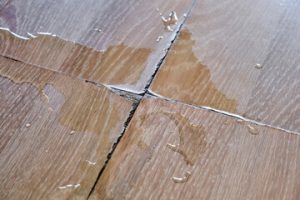
Leaks in pipes can lead to expensive water bills and damage to home interiors. Regular inspections can identify and repair small leaks before they become serious problems. Leaking pipes are usually caused by worn washers or O-rings, corrosion, or loose connections. Water pressure in a home can also be affected by mineral buildup in the pipes. When these deposits reduce water flow, it can cause faucets to drip and fixtures to fail.

Plumbing systems are complex, and it is easy to overlook the many moving parts that keep them running smoothly. However, it is important to understand the role they play in a healthy home. Whether you are looking for a plumber to install or repair your plumbing system, it is best to choose a professional with the necessary training and experience. A qualified plumber will be able to diagnose problems and recommend the best solution for your needs.

A good plumbing system is essential for maintaining a comfortable lifestyle. Understanding the basic principles of plumbing can help you avoid common problems and save money on your water bill. Regular maintenance and routine inspections can ensure that your plumbing system runs smoothly for years to come.

Plumbing is the repair of pipes

Plumbing is an essential system that brings clean water into buildings and removes wastewater. It is vital for hygiene and human survival, but it can also be dangerous if not properly maintained. Understanding the basics of plumbing can help you avoid common problems and make smart choices when it comes to maintenance and repairs.

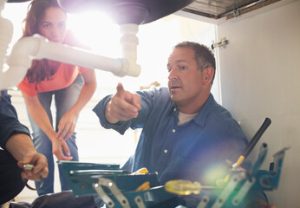
Plumbers are responsible for installing, maintaining, and repairing pipes and fixtures in residential and commercial settings. They use a variety of tools and materials, including pliers, wrenches, pipe cutters, flaring tools, and soldering torches. In addition, they often work in confined spaces like crawl spaces and attics. Plumbers also need to be familiar with building codes and blueprints when installing new systems.

One of the most important aspects of plumbing is ensuring that your system is leak-free. Leaks can cause extensive water damage and increase your utility bills. To prevent them, you should check your system regularly and repair any leaks as soon as possible. You should also insulate any unheated areas of your home to prevent pipes from freezing. Finally, you should use a water softener to reduce the amount of minerals in your water, which can corrode pipes over time.

Another critical aspect of plumbing is the venting system, which consists of pipes that run from the drainage system to the outdoors. This system ensures that sewer gases do not enter living spaces and helps maintain proper air pressure within the plumbing system. It can also help you identify issues such as gurgling sounds in drains, which may indicate improper venting.

There are several types of plumbing systems, each with its own set of advantages and disadvantages. For example, copper is durable and long-lasting but can be expensive. Galvanized steel is cheaper but is prone to corrosion. PEX (cross-linked polyethylene) and CPVC (chlorinated polyvinyl chloride) are durable, easy to install, and resistant to freezing and bursting.

Regardless of the type of system you have, regular maintenance is key to keeping it in good condition. This includes checking for leaks and removing debris from the drains. You should also avoid using chemical drain cleaners, which can be harmful to your health and the environment. Instead, try using natural cleaners such as baking soda and vinegar.

Pest Control

Residential Pest Control Solutions for Long-Term Protection

Maintaining a comfortable and pest-free home requires more than occasional cleaning or quick fixes when insects or rodents appear. Residential pest control is most effective when it focuses on long-term protection rather than temporary relief. Pests are constantly searching for food, shelter, and moisture, and even well-maintained homes can become attractive targets if preventive measures are not in place. By understanding how pests enter living spaces and adopting proactive solutions, homeowners can create a safer environment while minimizing the risk of recurring infestations.

Long-term pest protection begins with awareness. Many infestations develop slowly, often starting in hidden areas such as basements, attics, storage spaces, or behind appliances. Because these spaces are rarely inspected, pests may establish nesting areas long before visible signs appear. A comprehensive residential Pest Control Texas strategy addresses both immediate concerns and underlying conditions that encourage pest activity. This balanced approach helps homeowners maintain peace of mind while protecting the structural integrity of their property.

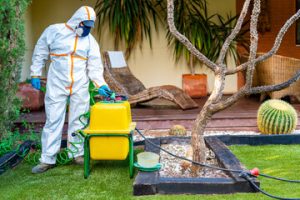
pest control

Understanding the Importance of Long-Term Pest Control

Short-term pest control solutions may provide temporary relief, but they rarely address the root causes of infestations. Long-term protection focuses on prevention, monitoring, and consistent maintenance. Instead of reacting to pest sightings, homeowners take proactive steps to reduce attractants and strengthen structural defenses. This approach minimizes disruptions while supporting healthier indoor living conditions.

One of the biggest benefits of long-term pest control is cost efficiency. Repeated infestations often lead to expensive repairs, especially when pests damage insulation, wiring, or stored belongings. Preventive strategies help reduce these risks by addressing vulnerabilities early. Over time, maintaining a pest-resistant environment becomes more manageable and less stressful than dealing with recurring problems.

Long-term pest control also supports overall home comfort. Unpleasant odors, unexpected noises, and concerns about contamination can disrupt daily routines. By focusing on prevention and consistent care, homeowners create a living space that feels clean, secure, and welcoming throughout the year.

Identifying Common Entry Points Around the Home

One of the first steps toward effective residential pest control is understanding how pests enter indoor spaces. Small cracks in walls, gaps around windows, or poorly sealed doors may seem minor, but can provide easy access for insects and rodents. Exterior inspections help identify these vulnerabilities before they lead to larger infestations.

Structural maintenance plays a key role in long-term protection. Repairing damaged screens, sealing foundation gaps, and installing proper weather stripping can significantly reduce pest access. These improvements not only deter pests but also enhance energy efficiency and overall home maintenance.

Homeowners should pay close attention to areas where utilities enter the house, as these openings often create hidden pathways for pests. Regularly checking these zones ensures that potential entry points are addressed before pests take advantage of them. A strong physical barrier is one of the most reliable ways to prevent infestations from starting in the first place.

The Role of Sanitation in Residential Pest Control

Cleanliness is one of the most effective tools for long-term pest prevention. Pests are naturally drawn to easily accessible food sources, which makes kitchens, dining areas, and storage spaces particularly vulnerable. Even small crumbs or spills can attract unwanted visitors if they are not cleaned promptly.

Maintaining consistent sanitation habits helps eliminate conditions that pests depend on for survival. Key practices may include:

  1. Storing food in sealed containers and wiping down surfaces regularly
  2. Managing waste effectively by removing trash frequently and keeping bins clean

Deep cleaning routines should extend beyond visible surfaces. Under appliances, behind furniture, and inside cabinets are common areas where debris accumulates unnoticed. By incorporating these spaces into regular cleaning schedules, homeowners reduce hiding spots and feeding opportunities for pests.

Sanitation is not only about cleanliness but also about organization. Reducing clutter in storage areas limits the number of places where pests can nest or hide, making it easier to maintain a pest-resistant environment.

Moisture Control and Its Impact on Pest Prevention

Water sources play a significant role in attracting pests to residential spaces. Leaking pipes, damp basements, or poor ventilation create ideal conditions for many species. Managing moisture levels is therefore an essential component of long-term pest control.

Routine inspections of plumbing systems help identify leaks before they lead to larger problems. Ensuring that ventilation systems function properly reduces humidity levels, which discourages pests that thrive in damp environments. Outdoor drainage is equally important, as standing water near the foundation can attract pests and increase the likelihood of indoor infestations.

Homeowners can improve moisture control by maintaining gutters, directing water away from the property, and monitoring areas prone to condensation. These preventive steps not only reduce pest activity but also protect building materials from long-term damage caused by excess moisture.

Landscaping and Exterior Maintenance Strategies

Residential pest control extends beyond indoor spaces. Outdoor conditions often determine whether pests move closer to a home. Overgrown vegetation, cluttered yards, and poorly maintained storage areas can provide shelter and breeding grounds that increase infestation risks.

Regular landscaping maintenance is a simple yet effective way to support long-term pest prevention. Trimming plants away from walls, removing debris, and storing firewood or equipment away from the house reduces hiding spots. Keeping outdoor areas clean also helps limit pathways that pests use to access entry points.

Exterior lighting can influence pest behavior as well. Bright lights near doorways may attract insects, which in turn attract predators or scavengers. Adjusting lighting placement and minimizing unnecessary illumination can help reduce this effect. By creating a well-maintained outdoor environment, homeowners strengthen their overall pest control strategy.

Routine Inspections and Early Detection

Monitoring for early signs of pest activity is one of the most important aspects of long-term protection. Small changes such as unusual sounds, minor damage, or unexplained odors may indicate the presence of pests before infestations become severe. Regular inspections allow homeowners to address these issues quickly and prevent further spread.

Inspection routines should include checking attics, basements, storage rooms, and exterior areas where pests are most likely to hide. Documenting changes over time helps identify patterns and determine whether preventive measures are working effectively.

Early detection reduces the need for extensive treatments and helps maintain a stable indoor environment. By staying attentive to subtle warning signs, homeowners can respond proactively rather than waiting until pests become highly visible.

Professional Residential Pest Control Services

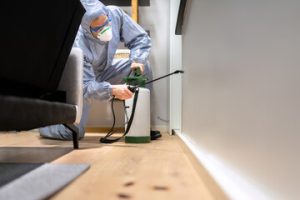
While many preventive tasks can be handled independently, professional pest control services offer valuable support for long-term protection. Experts have the training and tools needed to identify hidden infestations, evaluate structural vulnerabilities, and recommend targeted solutions. Professional assessments often uncover issues that may be overlooked during routine maintenance.

Professional services may include monitoring programs, preventive treatments, and guidance on maintaining pest-resistant environments. Working with experienced professionals allows homeowners to develop customized strategies that address the specific needs of their property.

Collaboration between homeowners and professionals creates a stronger foundation for long-term success. By combining expert knowledge with everyday preventive habits, residential pest control becomes more effective and sustainable over time.

Building Long-Term Habits for a Pest-Free Home

Consistency is the foundation of successful residential pest control. Developing simple daily habits helps reduce risks and maintain a cleaner, safer environment. These habits may include cleaning up food spills promptly, organizing storage areas, and addressing minor repairs as soon as they arise.

Education also plays an important role in long-term protection. Understanding how pests behave and what attracts them empowers homeowners to make informed decisions about prevention strategies. Small adjustments, such as improving ventilation or upgrading storage solutions, can have a lasting impact on pest resistance.

Creating a routine around maintenance and inspection ensures that pest control remains a continuous process rather than a reactive task. Over time, these practices become second nature, supporting a more comfortable and secure living space.

Residential pest control solutions designed for long-term protection focus on prevention, consistency, and proactive care. By addressing entry points, maintaining strong sanitation habits, managing moisture, and conducting regular inspections, homeowners can significantly reduce the risk of infestations. These strategies not only protect the home’s structure but also promote healthier indoor living conditions.

Long-term pest control is not about eliminating every potential risk overnight; it is about building habits that support lasting protection. With the right combination of preventive measures, professional guidance, and ongoing awareness, homeowners can maintain a pest-free environment that remains safe, comfortable, and resilient throughout the years.