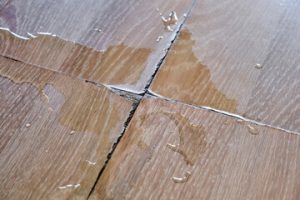
Water damage is often associated with visible issues like stained ceilings, warped flooring, or damp walls. However, beneath these surface-level signs lies a much more serious concern: the potential impact on your home’s structural integrity. When water infiltrates key components of a building, it can gradually weaken the very framework that supports it. What begins as a minor leak or isolated incident can evolve into a major structural problem if not addressed promptly and thoroughly.
Understanding how water damage affects structural elements is essential for homeowners who want to protect their property and avoid costly repairs. By recognizing the risks, identifying early warning signs, and taking proactive measures, it is possible to maintain a safe and stable living environment even after water-related incidents. Visit Our Website or read on to learn more.
The Relationship Between Water and Building Materials
To understand how water damage compromises structural integrity, it is important to consider how different building materials react to moisture. Most residential structures rely on materials such as wood, drywall, concrete, and metal. Each of these materials has unique properties, but all are vulnerable to water in different ways.
Wood, for example, is highly susceptible to moisture absorption. When exposed to water, it expands, weakens, and may eventually rot. Drywall, commonly used for interior walls and ceilings, loses its strength when saturated and can crumble or collapse under prolonged exposure. Concrete, while more resistant, can still develop cracks and allow water to seep deeper into the structure. Metal components may corrode over time, reducing their load-bearing capacity.
These reactions highlight the importance of controlling moisture and addressing water damage quickly to prevent long-term structural issues.
How Water Weakens Structural Components
Water damage does not immediately cause structural failure, but it initiates a process of gradual deterioration. As moisture penetrates building materials, it alters their physical properties and reduces their ability to support weight and resist stress.
Over time, this weakening can affect critical structural components, including:
- Load-bearing walls, which provide essential support for the entire structure.
- Floor joists and beams, responsible for maintaining the stability of floors and ceilings.
When these elements are compromised, the structural integrity of the home is at risk. Floors may begin to sag, walls may shift, and the overall stability of the building can be affected.
The Hidden Nature of Structural Damage
One of the most concerning aspects of water damage is that it often occurs out of sight. Moisture can infiltrate areas that are not easily visible, such as behind walls, under flooring, or within ceilings. This hidden damage can go unnoticed for extended periods, allowing deterioration to progress without intervention.
By the time visible signs appear, the damage may already be significant. This delay in detection makes it more difficult and expensive to repair structural issues. It also increases the risk of safety hazards, as weakened components may not be able to support normal loads.
Regular inspections and moisture detection are essential for identifying hidden damage and addressing it before it becomes a serious problem.
The Role of Mold in Structural Deterioration
Mold growth is a common consequence of water damage and can further compromise structural integrity. Mold feeds on organic materials such as wood and drywall, breaking them down over time. This process not only weakens the materials but also accelerates their deterioration.
In addition to structural damage, mold poses health risks to occupants, making it a dual threat that must be addressed promptly. Preventing mold growth requires thorough drying and moisture control, as well as the removal of contaminated materials when necessary.
Ignoring mold can lead to extensive damage and increase the complexity of restoration efforts.
Effects on Foundations and Substructures
The foundation is one of the most critical components of a home, and water damage can have serious implications for its stability. Water that accumulates around the foundation can seep into cracks, causing expansion and weakening over time.
In some cases, prolonged exposure to moisture can lead to soil erosion or shifting, which affects the support system beneath the home. This can result in uneven settling, cracks in walls and floors, and misaligned doors and windows.
Addressing foundation-related water damage requires a combination of proper drainage, sealing, and ongoing maintenance to ensure long-term stability.
Signs of Structural Damage Caused by Water
Recognizing the early signs of structural damage is crucial for preventing further deterioration. While some indicators are obvious, others may be subtle and require careful observation.
Common signs include:
- Cracks in walls or ceilings, which may indicate shifting or weakening of structural components.
- Sagging floors or ceilings, suggesting compromised support systems.
- Doors and windows that no longer align properly, often a result of structural movement.
- Persistent dampness or musty odors, pointing to hidden moisture issues.
These signs should not be ignored, as they may indicate underlying problems that require immediate attention.
The Importance of Timely Repairs
When it comes to water damage and structural integrity, timing is everything. Delaying repairs allows damage to worsen, increasing both the complexity and cost of restoration. Addressing issues promptly helps preserve structural components and prevents further deterioration.
Timely repairs often involve removing damaged materials, drying affected areas, and reinforcing or replacing compromised elements. In some cases, structural reinforcements may be necessary to restore stability.
Taking action early not only protects the home but also reduces the risk of more extensive and expensive repairs in the future.
Preventative Measures to Protect Structural Integrity
Preventing water damage is one of the most effective ways to safeguard your home’s structure. By implementing proactive measures, homeowners can reduce the likelihood of water infiltration and minimize the risk of damage.
Key preventative strategies include:
- Regular maintenance of roofing and plumbing systems, to prevent leaks and water intrusion.
- Ensuring proper drainage around the home, directing water away from the foundation.
- Sealing cracks and openings, to prevent moisture from entering the structure.
These measures help create a barrier against water and maintain the integrity of the home over time.
The Role of Professional Assessment and Restoration
While some minor water damage can be addressed independently, structural issues often require professional expertise. Restoration specialists have the tools and knowledge needed to assess the extent of damage and develop effective repair strategies.
They use advanced equipment to detect hidden moisture, evaluate structural components, and ensure that all affected areas are properly addressed. This comprehensive approach helps restore the home to a safe and stable condition.
Professional involvement is particularly important in cases where structural integrity is at risk, as improper repairs can lead to further complications.
Long-Term Impact on Property Value
Water damage and structural issues can have a significant impact on property value. Homes with unresolved damage or a history of structural problems may be less attractive to potential buyers and may require extensive repairs before being sold.
Maintaining structural integrity through proper maintenance and timely repairs helps preserve the value of the property. It also provides peace of mind, knowing that the home is safe and well-maintained.
Investing in preventative measures and professional restoration is not just about addressing immediate concerns—it is about protecting the long-term value of the home.
Conclusion
Water damage is more than a surface-level issue; it is a serious threat to the structural integrity of a home. By understanding how moisture affects building materials, recognizing the signs of damage, and taking prompt action, homeowners can prevent minor issues from becoming major problems.
From weakening load-bearing components and promoting mold growth to affecting foundations and substructures, water damage has far-reaching consequences. Addressing these challenges requires a combination of proactive maintenance, timely repairs, and professional expertise.
Ultimately, protecting your home’s structural integrity is about staying vigilant and taking decisive action when needed. With the right approach, homeowners can safeguard their investment, ensure safety, and maintain a strong and resilient living environment for years to come.