
Cabinet Refinishing

Cabinet Refinishing Cost: How Much Does It Cost to Refinish Cabinets?

Cabinet Refinishing

Have you been thinking about giving your kitchen or bathroom a fresh new look but worry about the price of a full remodel? Cabinets often take up the largest visual space in a room, making them one of the biggest influences on its overall appearance. Fortunately, you do not always have to replace them to achieve a dramatic transformation. Cabinet refinishing offers an affordable way to restore beauty, extend the life of your cabinets, and update your space without the expense of installing brand new cabinetry.

Understanding Cabinet Refinishing Modesto cost is an important first step before starting any project. The total price can vary based on several factors, including the size of the cabinets, their current condition, the finish you choose, and the amount of preparation required. By learning what affects the overall cost, homeowners can make informed decisions and better plan their renovation budget.

What Is Cabinet Refinishing?

Cabinet refinishing is the process of restoring the existing surface of cabinets instead of replacing them. This typically involves removing or sanding the old finish, repairing minor imperfections, applying stain or paint, and sealing the cabinets with a protective topcoat. The goal is to improve the appearance of the cabinets while preserving their original structure. Since the cabinet boxes and doors remain in place, refinishing is generally much more affordable than purchasing new cabinetry.

Many homeowners choose refinishing because it provides an updated appearance while minimizing waste. Cabinets that are structurally sound often only need cosmetic improvements to look attractive again. Refinishing also allows homeowners to choose new colors or wood tones that better match their current style. When completed properly, refinished cabinets can provide years of beauty and everyday durability. This makes refinishing an appealing solution for anyone looking to improve their home without taking on a major renovation.

What Factors Affect Cabinet Refinishing Cost?

Several factors determine the overall cabinet refinishing cost, and every project is unique. One of the biggest considerations is the number of cabinets being refinished. Larger kitchens or bathrooms naturally require more labor, preparation, and finishing materials than smaller spaces. Cabinets with intricate trim, decorative molding, or raised panel doors may also increase labor because they require additional attention during sanding and finishing. The complexity of the cabinet design plays an important role in the final price.

The current condition of the cabinets also affects the overall cost. Cabinets with deep scratches, water damage, peeling finishes, or dents may require repairs before refinishing begins. Extensive preparation helps ensure the new finish looks smooth and lasts longer. The type of finish selected also impacts pricing because some stains, paints, and protective coatings require multiple coats or specialized application methods. Careful preparation and quality materials contribute to a better finished product, even if they increase the initial investment.

Average Cabinet Refinishing Cost Expectations

The average cabinet refinishing cost depends on the size of the project and the level of work required. Smaller cabinet projects generally cost less because they involve fewer materials and less labor. Medium sized kitchens often fall somewhere in the middle, while larger kitchens with many cabinets typically require a greater investment. Since every home is different, obtaining an estimate based on the specific cabinets is usually the best way to understand the expected cost.

Homeowners should also remember that refinishing is often significantly less expensive than replacing cabinets entirely. New cabinets involve demolition, installation, and additional materials that can quickly increase renovation expenses. Refinishing allows homeowners to improve the appearance of existing cabinets while avoiding many of those added costs. The money saved can often be used for other updates, such as new countertops, lighting, or flooring. This makes refinishing a practical option for homeowners looking to maximize their renovation budget.

Why Cabinet Refinishing Can Save Money

One of the biggest advantages of cabinet refinishing is its ability to deliver impressive results at a lower cost than replacement. Because the existing cabinet structure remains intact, homeowners avoid paying for new cabinet boxes, installation, and disposal of old materials. The project is often completed more quickly as well, reducing labor time and minimizing disruption inside the home. This combination of lower material costs and shorter project timelines makes refinishing an attractive financial decision.

Cabinet refinishing can also extend the lifespan of quality cabinets that are still in good structural condition. Instead of replacing solid cabinetry simply because it looks outdated, refinishing restores its appearance and helps protect it from future wear. A durable finish creates a fresh surface that can withstand daily use while maintaining its attractive appearance. Investing in refinishing allows homeowners to enjoy updated cabinets without committing to the significantly higher cost of a complete remodel. This balance between affordability and long term value is one of the biggest reasons refinishing remains a popular home improvement project.

How to Get the Best Value for Your Investment

Getting the best value from cabinet refinishing starts with choosing quality workmanship and durable materials. While it may be tempting to focus only on the lowest price, the overall quality of preparation and finishing has a major impact on the final results. Proper cleaning, sanding, repairs, and sealing all contribute to a finish that looks attractive and lasts longer. Investing in quality workmanship often reduces the likelihood of future touch ups or premature refinishing.

Homeowners should also consider the long term benefits when comparing costs. A well refinished cabinet surface can continue looking beautiful for many years with proper care. Routine cleaning, avoiding excessive moisture, and handling cabinets gently all help preserve the finish. Choosing timeless colors or classic wood tones can also increase satisfaction over time, reducing the desire for future updates. Looking beyond the initial price allows homeowners to appreciate the lasting value refinishing provides.

Is Cabinet Refinishing Worth the Cost?

For many homeowners, cabinet refinishing is a worthwhile investment because it combines affordability with impressive visual results. The process allows existing cabinets to receive a fresh, updated appearance while preserving their original construction. Refinishing also offers flexibility in choosing colors, stains, and finishes that complement changing design preferences. Whether updating a traditional kitchen or modernizing an older bathroom, refinishing provides a practical way to refresh the space.

Beyond appearance, refinishing can contribute to the overall value and enjoyment of a home. Beautiful cabinets create a more inviting atmosphere while improving the look of one of the most frequently used areas of the house. Since refinishing typically costs less than replacement, homeowners can often complete additional home improvement projects within the same budget. This combination of cost savings, visual improvement, and long lasting durability makes cabinet refinishing an excellent choice for many renovation plans.

Final Thoughts

Cabinet refinishing cost depends on several factors, including the number of cabinets, their condition, the complexity of the design, and the finish selected. Although prices vary from project to project, refinishing is generally a more affordable alternative to replacing cabinets entirely. By restoring existing cabinetry instead of installing new units, homeowners can achieve a refreshed appearance while staying within budget. Proper preparation, quality materials, and routine maintenance all contribute to long lasting results that continue to enhance the home for years. If your cabinets are structurally sound but simply look worn or outdated, cabinet refinishing can be a smart investment that delivers both beauty and value.
HVAC

How to Prevent Furnace Repair

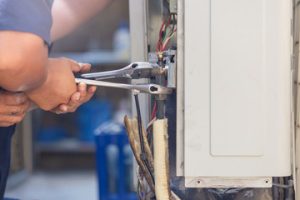
Furnaces can break down for a variety of reasons. Whether it’s from regular wear and tear, an accumulation of debris, or a complex technical problem, most issues will require the expert troubleshooting skills of a technician.

Furnace Repair

For safety purposes, you should never attempt to work on your furnace on your own. This could lead to toxic gasses being released or a fire.

Thermostats are a key component in the proper functioning of a heating system. They provide the signals that tell the furnace when it is time to start up and shut down. If your thermostat is not functioning properly, it can waste energy and lead to costly repairs down the road. It is important to keep your thermostat clean and updated, as well as to inspect it regularly for issues that may be caused by normal wear and tear.

Keeping up with your thermostat maintenance is the best way to avoid many problems. This includes replacing your air filter as often as needed, cleaning around the vents and checking that there is no debris or obstructions that could prevent the blower from moving. It is also a good idea to replace the batteries in your thermostat as needed.

When it comes to furnace repair, it is always a good idea to contact a professional. Certain types of repairs, like fixing gas leaks or advanced control systems, require specialized knowledge and tools that most homeowners are not familiar with. Trying to repair these types of issues on your own can cause dangerous or expensive damage.

If your thermostat is displaying a “F” or “L” error code, it is a sign that there is an issue with the electrical connections within your furnace. These errors can be the result of several different things, including a blown fuse or tripped circuit breaker. If this is the case, you will want to make sure that all electrical connections are tightly sealed. It is also a good idea to check the pilot light and gas valve to ensure that they are in the on position.

Lastly, it is important to inspect the flame sensor regularly for any residue that could prevent it from lighting. This can be done by removing the sensor and using emery cloth to remove any coating. The burner cap should also be cleaned and replaced if it is showing signs of wear or corrosion. Additionally, the blower motor drive belt should be inspected for cracks or frays.

Motor

When a furnace isn’t working properly, it can turn cozy nights into cold and uncomfortable ones. However, if you know the most common signs to watch for, you can help prevent furnace problems and avoid a costly repair bill.

The first thing you should always do when a furnace isn’t functioning correctly is check the electrical power switch on the unit. It’s usually located close to the unit and is easy to accidentally flip off.

If the switch is turned on, next you should check to make sure that the blower motor isn’t overloaded. This can happen when dust and debris accumulate on the motor windings or bearings. When this occurs, the motor will overheat and burn out. You’ll also notice a lack of airflow from your ductwork when this happens.

You can also test the blower motor by switching it off and on again. This will allow you to determine if it’s simply overloaded or needs to be replaced. If the blower motor is burned out, you can consult your furnace manual to find the right replacement part for your system.

Lastly, you can also test your pilot light and gas valve. Be careful when handling these components, as a faulty pilot light or incorrect gas valve can be dangerous. If the problem isn’t with the gas or pilot light, then it may be a problem with the circuit board. These are more complex issues to fix and require a professional technician.

It’s important to note that major furnace repairs require a lot of time and manual labor. These repairs fix issues that significantly limit or inhibit your furnace’s performance. While you may feel tempted to do the work yourself, it’s always best to leave this type of repair to a professional. Not only will this ensure that the job is done correctly, but it will also help protect you from tampering with electrical wiring that could cause a fire hazard. In addition, some issues may indicate that your furnace is near the end of its life expectancy and would be better off being replaced rather than repaired.

Burner

If you suspect that your furnace is experiencing issues, it’s important to have them evaluated by an experienced HVAC professional. This ensures that all possible problems are assessed and addressed, and it can prevent smaller repairs from escalating into more costly repairs or premature replacement.

If your furnace is making rattling noises, this could indicate that it is in need of an ignition repair. A technician will determine the cause of the problem and resolve it before it worsens.

A gas furnace relies on a pilot light and surface ignition to convert fuel into heat for your home’s air circulation system. These components are subject to normal wear and tear over time, and they can also be affected by a clogged burner or accumulating debris. A professional can clean your burners to improve their performance and efficiency.

Depending on the make and model of your gas furnace, there are different access points to its combustion chamber. These doors may be spring-loaded or held in place with knobs or screws. Once the access panel is removed, a technician will remove the burners for cleaning. Using a brass brush, they’ll scrub the wings, length and face of each burner. Once the burners are clean, they’ll be returned to their original locations and reassembled. The technician will also examine the blower and replace the drive belt if necessary.

Your gas furnace’s heat exchanger is a crucial component of your home heating system. It helps to efficiently combine fuel and air before burning, and it also serves as a protection against carbon monoxide leaks. Carbon monoxide is a colorless, odorless and tasteless gas that’s toxic when inhaled in high concentrations. Performing regular maintenance and addressing any issues promptly will help to extend the lifespan of your furnace’s heat exchanger.

When a furnace is nearing its expected lifespan, it’s important to weigh the costs and benefits of repair versus replacement. While it is natural for older systems to require more frequent repairs, at a certain point it’s not cost-effective to continue spending money on a deteriorating system. Fortunately, there are many replacement options available that can restore a furnace’s performance and energy efficiency without the high price tag of replacing an entire system.

Air Filter

Most furnaces are equipped with air filters to prevent larger airborne pollutants from infiltrating the machinery and clogging sensitive components. Filters should be replaced every 1-3 months, depending on usage and filter type. Dirty filters restrict airflow and cause your unit to work harder, increasing energy bills and decreasing efficiency. Regularly checking and replacing your filters can help prolong the life of your furnace and improve indoor air quality.

Other minor maintenance tasks include lubricating the blower motor and cleaning around vent openings. During these steps, a technician may spot potential issues like clogged air filters and over-sized furnaces that heat up too quickly. These are easily corrected with the right tools and knowledge.

Lastly, a professional will check the gas line to make sure there are no leaks and that the combustion is burning cleanly. The technician will also conduct a carbon monoxide test to ensure the unit is not producing dangerous carbon monoxide.

Major repairs are those that require significant time, manual labor and skill. These repairs will significantly impact your system’s performance and may even cause the unit to stop working. In most cases, it is more cost-effective to repair these issues before they worsen.

The first step to avoid major furnace repair is to have routine maintenance performed every year by a qualified technician. These services will include a full inspection, including an airflow check, carbon monoxide test and fuel-to-air ratio analysis.

It is also a good idea to clean the area around your furnace and clear away clutter regularly. Make sure there’s at least three feet of clearance around the furnace, and never store combustible materials near it. You should also perform a backdraft test by holding a lit incense stick beside your vents and observing the flow of smoke. If the smoke is pushed back towards the furnace or stops flowing at all, it’s time to call for service.

Finally, be sure your home has working smoke and carbon monoxide detectors. These devices can alert you and your family to dangerous gases, which could be leaked by a malfunctioning furnace.