Boise Metal Fabrication plays a vital role in modern construction, manufacturing, transportation, and countless other industries. Nearly every metal product, from structural beams and stair railings to machinery, furniture, and decorative architectural features, begins as raw material that must be carefully shaped into a finished product. While many people are familiar with fabricated metal products, fewer understand the variety of fabrication processes that make them possible. Each fabrication method serves a specific purpose and contributes to the strength, precision, and appearance of the final product. Learning about the different types of metal fabrication helps property owners, business owners, and manufacturers better understand how custom metal components are created.
What Is Metal Fabrication?
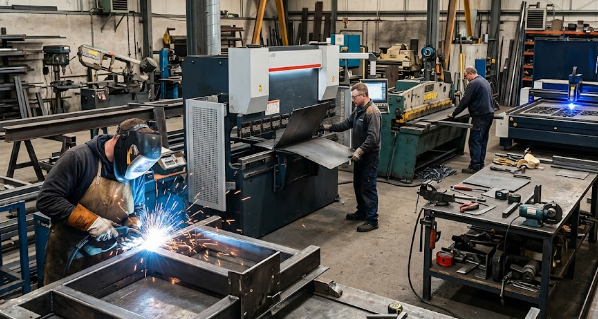
Metal fabrication is the process of transforming raw metal into finished components, structures, or products through a series of manufacturing techniques. Fabrication often involves cutting, bending, welding, assembling, machining, and finishing metal to meet specific design requirements. Rather than relying on one single process, most fabrication projects combine several techniques to produce the desired result. Each stage builds upon the previous one to create a durable and accurately manufactured product. Careful planning ensures every component fits together correctly.
Metal fabrication can be performed using materials such as steel, stainless steel, aluminum, copper, brass, and other specialized alloys. The choice of material depends on factors including strength requirements, corrosion resistance, weight, appearance, and intended use. Different industries rely on fabrication to produce everything from large structural systems to detailed decorative features. Modern equipment allows fabricators to achieve exceptional precision while maintaining consistent quality. Skilled craftsmanship remains an important part of every successful fabrication project.
What Are the Most Common Types of Metal Fabrication?
One of the most common types of metal fabrication is cutting, which involves separating metal into specific shapes and sizes before additional work begins. Cutting may be performed using saws, shears, laser equipment, plasma systems, or waterjet technology depending on the material and level of precision required. Accurate cutting creates the foundation for every subsequent fabrication step because even small measurement errors can affect the final assembly. Precision during this stage contributes to better overall quality. Proper preparation improves efficiency throughout production.
Bending is another widely used fabrication process that changes the shape of flat metal without removing material. Specialized equipment applies controlled force to create angles, curves, and complex forms that match engineering specifications. Bending allows manufacturers to produce brackets, frames, channels, enclosures, and countless structural components used across many industries. Accurate bending minimizes material waste while improving the strength of finished assemblies. Precision remains essential throughout the process.
How Does Welding Fit into Metal Fabrication?
Welding is one of the most important fabrication methods because it permanently joins metal components into larger assemblies. During welding, heat is applied to fuse metal pieces together, often with the addition of filler material to strengthen the joint. Proper welding techniques create strong connections capable of supporting heavy loads while maintaining long-term structural integrity. Different welding methods are selected depending on the material, thickness, and intended application. Skilled welding contributes significantly to the durability of fabricated products.
Several welding processes are commonly used during fabrication, including MIG welding, TIG welding, stick welding, and flux-cored welding. Each technique offers advantages depending on the project requirements and working environment. Experienced welders carefully control heat, travel speed, and joint preparation to produce clean, consistent welds with minimal defects. Thorough inspection after welding helps verify both appearance and structural quality. Reliable welding remains a cornerstone of professional metal fabrication.
What Other Fabrication Processes Are Commonly Used?
Machining is another important type of metal fabrication that removes material to create highly accurate dimensions and detailed features. Milling, drilling, turning, threading, and grinding allow fabricators to produce precision components that require tight tolerances. These processes are commonly used when fabricated parts must fit together with exceptional accuracy or perform specialized mechanical functions. Careful machining improves both functionality and product quality. Precision equipment ensures consistent results.
Metal forming is also widely used to create complex shapes without cutting away large amounts of material. Processes such as rolling, stamping, pressing, and deep drawing reshape metal into finished components while maintaining structural strength. These techniques are especially valuable for producing high volumes of identical parts efficiently. Forming allows manufacturers to create smooth, consistent products that meet demanding production standards. Efficient production supports a wide variety of industries.
How Does Finishing Improve Fabricated Metal Products?
After fabrication is complete, many metal products undergo finishing processes that improve both appearance and long-term durability. Grinding and polishing remove rough edges while creating smooth, attractive surfaces suitable for decorative or highly visible applications. Surface preparation also helps improve the adhesion of protective coatings applied later in the process. Proper finishing enhances the overall quality of the completed project. Attention to detail produces professional results.
Protective finishes such as powder coating, painting, galvanizing, and specialized corrosion-resistant coatings help shield fabricated metal from moisture, chemicals, and environmental exposure. These treatments extend the product’s service life while reducing maintenance requirements over time. Depending on the intended application, finishes may also provide decorative colors or textured appearances that complement architectural designs. Combining protection with visual appeal adds significant value to fabricated products. Durable finishes support long-term performance.
Where Are Different Types of Metal Fabrication Used?
Metal fabrication supports a remarkably broad range of industries because nearly every sector relies on custom metal components. Construction projects use fabricated steel for structural frameworks, staircases, railings, gates, fencing, support systems, and architectural features. Manufacturing facilities depend on fabricated machinery, equipment, storage systems, conveyors, and production tools that must withstand demanding operating conditions. Reliable fabrication provides the strength and precision these industries require. Quality workmanship supports safe and dependable performance.
Residential and commercial properties also benefit from fabricated metal products in many everyday applications. Decorative gates, balconies, custom furniture, shelving, handrails, security barriers, and outdoor living features all rely on fabrication techniques to achieve both structural integrity and attractive appearance. Automotive, agricultural, marine, and energy industries also depend heavily on fabricated metal components. The versatility of fabrication makes it one of the most valuable manufacturing processes available today. Its applications continue to expand as technology advances.
What Should You Consider When Choosing a Metal Fabrication Process?
Selecting the right fabrication process depends on several important factors, including the type of metal, project size, structural requirements, production volume, and desired appearance. Some projects prioritize speed and efficiency, while others require exceptional precision or intricate custom designs. Evaluating these requirements early helps determine which fabrication methods will produce the best overall results. Careful planning improves both quality and cost efficiency. Every successful project begins with a clear understanding of its objectives.
Long-term performance should also influence fabrication decisions. Material selection, fabrication methods, protective finishes, and quality control all affect how well the finished product performs over time. Working with experienced fabricators helps ensure that every stage of production is completed accurately and consistently. Thorough inspection throughout the fabrication process further supports reliable results. Investing in quality fabrication contributes to products that remain durable and functional for many years.
Final Thoughts
The different types of metal fabrication work together to transform raw metal into strong, functional, and visually appealing products used in countless industries. From cutting, bending, and welding to machining, forming, and finishing, each process serves a unique purpose while contributing to the quality of the finished product. Understanding how these fabrication methods work allows property owners, manufacturers, and businesses to make more informed decisions when planning custom metal projects. By combining skilled craftsmanship with modern technology, professional metal fabrication continues to deliver durable solutions that support construction, manufacturing, architecture, and everyday life.